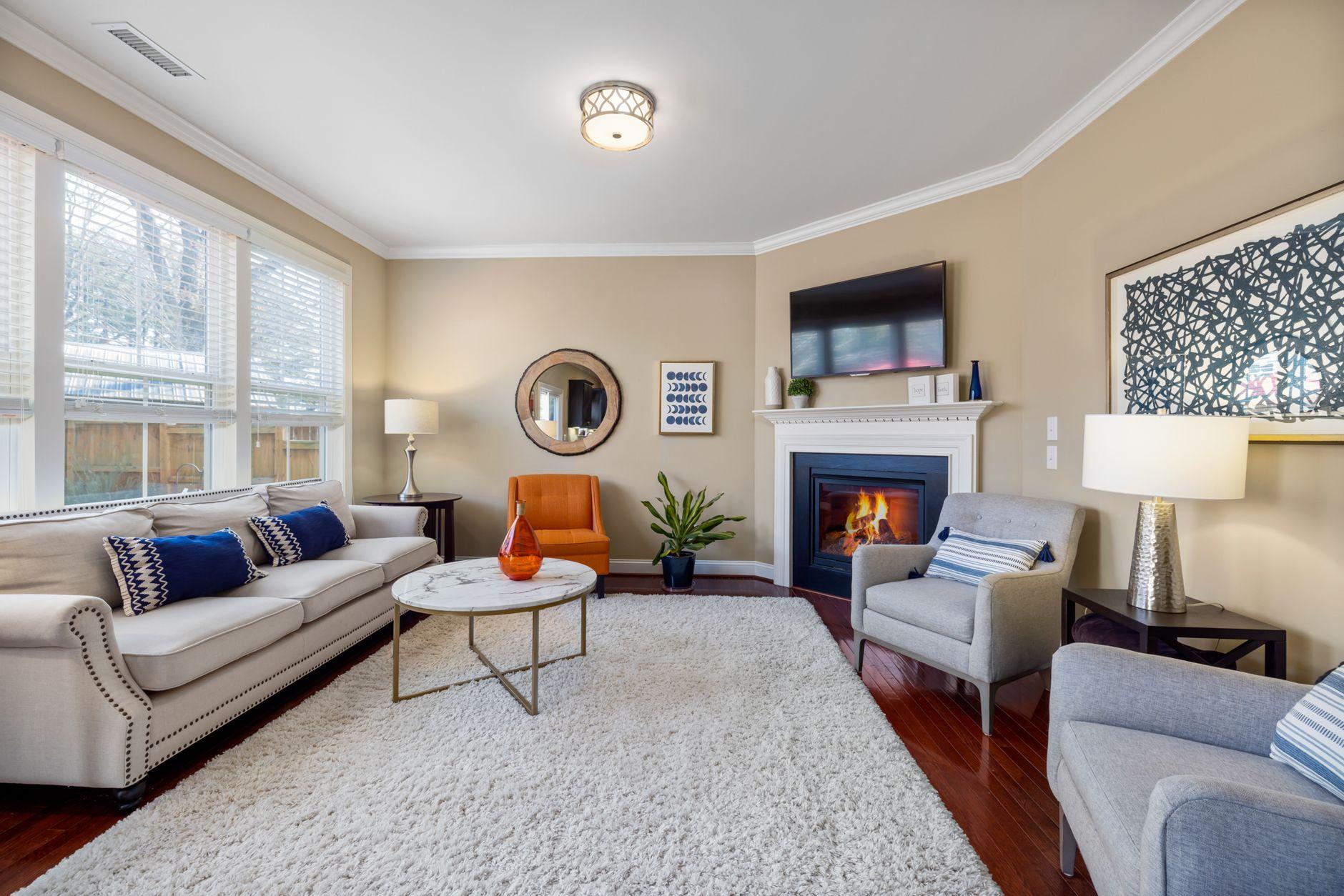
The burn season in Covina ends around March. That is when two repairs come up more than any others: a flue liner that the spring sweep showed was cracked, and a damper that no longer closes. Both are jobs for the dry months between seasons, and both are priced after we have seen the chimney, not from a list. This guide explains why, what decides the cost, and what goes into the written quote you receive.
Why these repairs have no list price
Our published prices cover jobs that look the same from house to house: a sweep from $410, a Level 1 look at $53, a Level 2 camera inspection at $385. A cap is quoted after we measure. Liners and dampers vary too much for a fair fixed number. The height of the flue, its shape, the fuel it serves and the condition of the brick around it all change the job. So we quote these in writing once the camera has shown us the flue.
Flue liners: what fails and what replaces it
Most older chimneys around Covina and Pomona have clay tile liners. Tiles crack from the heat of a hot fire, from decades of expansion and cooling, and from ground movement. Both Whittier Narrows (1987) and Sierra Madre (1991) were felt strongly around here, and chimneys that came through them often show it as cracked tiles in the upper flue.
A cracked liner lets heat reach the brick and, in the worst case, the wood framing beside the chimney. It also lets acidic moisture into the mortar, which weakens the stack from the inside.
The usual repair is a stainless steel liner run down the existing flue. It is sized to the fireplace or appliance it serves, connected at the bottom, and capped at the top. In some flues the old tiles have to be broken out first to make room.
What sets the price of a liner:
- Flue height, from the smoke chamber to the top of the crown
- Flue shape and size, and whether tiles must be removed
- Insulation, which some installations call for to keep the liner within clearance
- What it serves: an open wood fireplace, a wood insert, a gas insert or a stove
- Roof access and the number of flues in the stack
Dampers: the part nobody thinks about until it sticks
Just over the firebox sits a hinged steel or iron flap: open while a fire burns, shut for the other months. In older Covina houses it is often a cast iron or steel throat damper that has rusted, warped or lost its handle. A damper that will not open makes the fire smoke into the room. If it stays stuck open, heated room air escapes all winter, summer heat drifts in, and storms drip onto the grate.
There are two common repairs:
- Repair of the throat damper. Freeing the plate, replacing the handle or the pivot, and adjusting the seal. Possible only when the metal is still sound.
- A top-sealing damper. A spring-loaded lid fitted on the flue tile up on the roof, worked from below by a chain or pull handle. It closes tighter than an old throat damper and keeps rain and animals out as well.
What sets the price of a damper repair: whether the old plate can be saved, the size of the flue top, and whether a cap needs to come off or be replaced to fit a top-sealing unit.
Why spring is the month
Booking these repairs right after the last fire lines up with the burn-season calendar. The sweep and camera visit happen while the flue is fresh from the winter, the repair is done in dry weather, and the fireplace is ready long before October fills every chimney company's schedule. A liner installed in April has the whole summer to be checked again if needed. A liner ordered in October may not be in before the first cold night.
The same window suits two other off-season jobs: a dryer vent cleaning for houses with a long vent run, and seismic bracing for an unreinforced brick stack.
What the written quote covers
Every repair quote from Bickford Chimney Solutions lists:
- The finding, with the video still or photo that shows it
- The repair, described part by part
- The price for the whole job, including removal and cleanup
- Anything that could change once work starts, such as tiles that break out differently than expected
What decides the price is what the camera shows. If you already have a recent video or report, send it and we can often quote without a second visit. If not, book the Level 2 through the form and ask for a written liner or damper quote with it.
Questions we hear about liners and dampers
Can I keep using the fireplace until the liner goes in? If the camera shows cracked tiles, the report will mark the flue as repair before use. Burning on a cracked liner is the risk the inspection exists to catch, so we advise waiting.
Does a gas insert need a new liner? Usually yes. An insert vents through its own liner, sized to the appliance, rather than through the old clay flue. The insert quote and the liner quote are written together so you see the whole job.
Will a top-sealing damper change how the fireplace draws? No. It opens fully for a fire. The difference is how tightly it closes when the season ends.
Related services and guides
- Chimney liner installation
- Chimney damper repair
- Level 2 chimney inspection
- Level 1 vs Level 2 compared
- Service in Covina
Ready when the fires stop
The last fire of the season is the cue. Send us a note on the contact page once the hearth goes cold, and we will line up the camera and the quote for the spring.
Put This on Your Chimney Calendar
Bickford Chimney Solutions books sweeps, cleanings and inspections from Covinafor San Dimas, La Puente, Pomona and the towns around them. Pick a month now and the visit is done before the rush.