
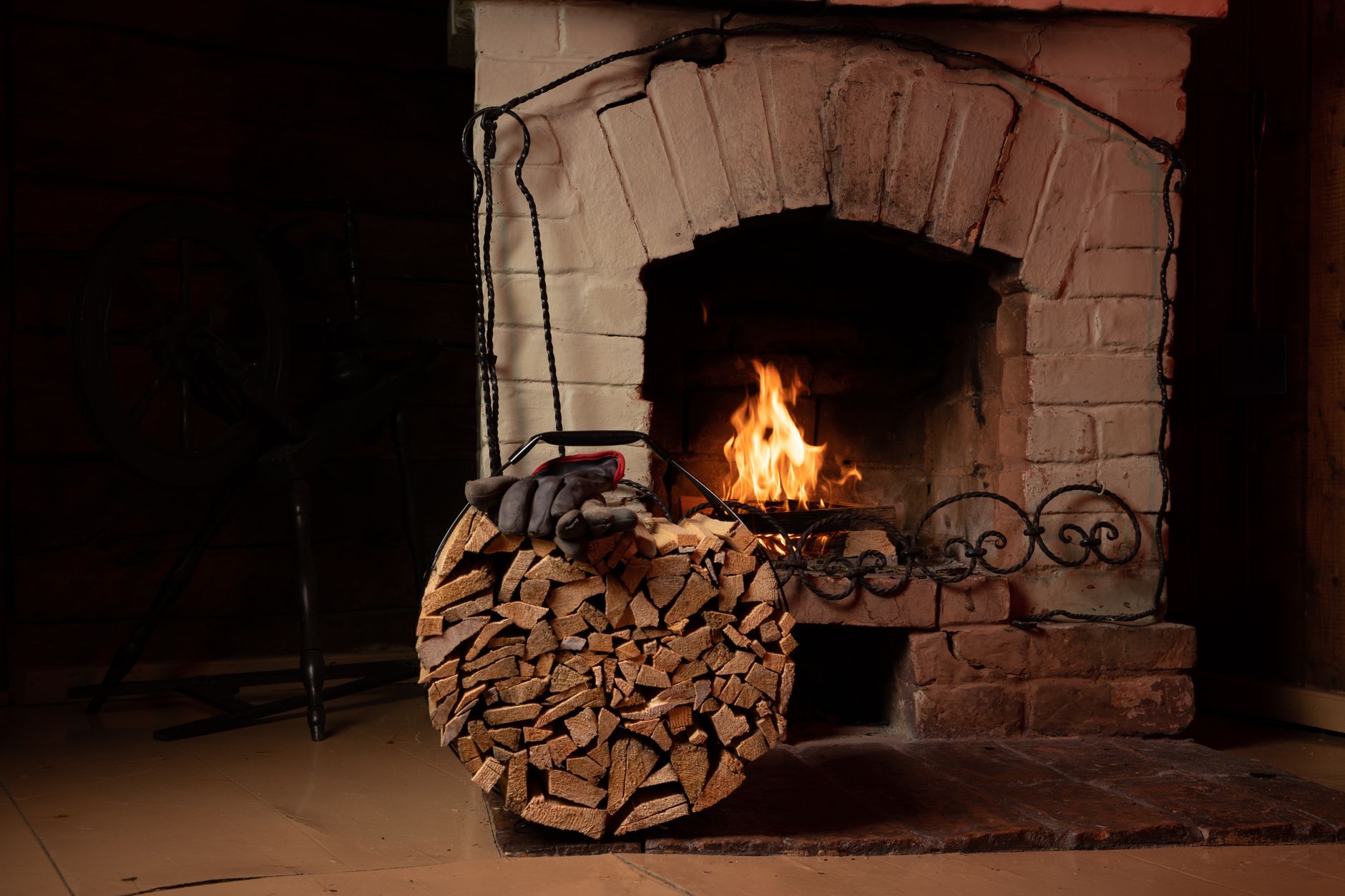
Gas Logs in Covina, Installed Before Burn Season Starts
When Should This Happen?
Tell us what you burn and the month you have in mind. We call back with open dates and what the visit includes.
The Job, Month by Month
Gas logs are a common answer to no-burn days, since Check Before You Burn alerts apply to wood fires. We measure the firebox so the burner fits, fit a damper clamp on vented sets, choose match-lit, pilot or electronic ignition with you, and place the logs to the maker's card. Sets that leave soot are diagnosed too. Quotes follow a look at the firebox.
Gas Logs and the No-Burn Calendar
In Covina, as across the urban parts of the South Coast air district, wood fires come with a winter calendar of their own. South Coast AQMD Rule 445 restricts wood burning on days when air quality is forecast to be poor, and those days cluster in the colder months, which is exactly when people want a fire. Gas logs are not covered by those wood-burning restrictions, which is a big part of why so many owners in the San Gabriel Valley have switched. A gas set gives you a fire on the coldest night of the year regardless of the forecast, with no wood to store, no ash to haul out and far less soot in the flue. For many homes, that alone is reason enough to make the change before winter.
The calendar for a gas log install is short and simple. Decide in late summer, while the fireplace is not in use. We come out, sweep the flue if it still holds creosote from the wood years, measure the firebox and look at the gas supply. The set is ordered and installed in September or October, so it is lit and tested before the first cold front and well before the busy weeks around Thanksgiving. Owners moving from wood to gas also get a Level 2 inspection where the flue needs one, since a change of fuel is one of the events that calls for it. Any repairs it turns up, such as a cracked tile or a damper that will not hold open, are quoted in writing and can be finished before the logs go in. That keeps the install date fixed and the first gas fire on schedule.
Install Day, Then the First Winter on Gas
On the day of the install, the firebox comes first. If the old wood grate, andirons or a heap of ash are still there, they go. We run or check the gas line to the opening, set a shutoff where you can reach it, and seat the burner pan on the firebox floor with room left around it, since a burner pushed up against the brick throws flame onto the back wall and stains it within a few weeks. Your choice of lighting decides the valve. Some owners are happy with a key and a long match; others want a pilot so a wall switch or a hand remote does the work, and some prefer a valve that sparks only when asked. The damper on a vented set must stay part open whenever the burner runs, so a small clamp goes on to stop it from shutting. Then the logs go on, one at a time, in the places shown on the card that ships with the set.
The first winter on gas is the real test, so we put it on the calendar. Around February, after a couple of months of use, we suggest a short look. By then any log that was bumped out of place has started to leave a dark streak, and ember material may have drifted over a burner port. Both are quick to put right when caught early, before soot builds on the brick above the opening. After that, a yearly check in late summer, timed with the chimney inspection, keeps the set lighting clean. Gas log installs are quoted in writing after we have looked at the firebox and the supply line. Owners who also want the glass doors or the face of the fireplace updated can fold that into the same plan, and the quote shows each part on its own line.
How Bickford Chimney Solutions Plans the Work
Booked for the Right Month
Dry weeks for masonry, early fall for gas units
Room Kept Clean
Drop cloths down and the opening sealed first
Quote on Paper
Repairs priced in writing before anything starts
Findings by Timing
Each item marked now, before winter, or next year
Gas Logs city pages
Each city page lists the houses we see there, the ZIP codes on the route, and the months that suit this job locally.
CA
Gas Logs in Covina
Most houses here are 1950s and 1960s ranch homes, and their brick or block chimneys often hold gas logs today. We book Covina sweeps for September and October, so the flue is clear and the logs are tested before the first cool November evening.
See this townCA
Gas Logs in San Dimas
Owners hold roughly 72 percent of the homes, and the larger Via Verde and foothill houses sit on roomy lots, some kept for horses. The calendar for them is plain: an August or September sweep, then cap and crown before November.
See this townCA
Gas Logs in La Puente
Half the houses here were standing by 1958, and about eight in ten are older than 1980. Tract chimneys from that era are mostly brick or block, so we suggest one inspection each October and a sweep booked before Thanksgiving, ahead of the cold weeks.
See this townCA
Gas Logs in Pomona
Pomona grew from 1880s citrus groves, and nearly one home in five went up before 1950. We split its calendar by type: brick in the old core gets a fall inspection, while factory-built units in Phillips Ranch get a sweep and cap check in late summer.
See this townMore Jobs on the Calendar
Chimney Sweep
Flue brushing timed to your burn season, booked in the quiet months so the chimney is clear before the first cold evening.
Learn More →Chimney Inspection
NFPA 211 Level 1 or Level 2 inspection, scheduled before the season starts so repairs can fit in ahead of regular fires.
Learn More →Chimney Repair
Crown, joint, tile and flashing repairs, quoted in writing and scheduled for dry months when mortar and sealants cure properly.
Learn More →Fireplace Inspection
A room-side check of firebox, damper, hearth, doors and clearances, timed for the weeks before you start lighting fires again.
Learn More →Fireplace Repair
Firebox, damper, door and hearth repairs, booked for the off season so the fireplace is ready before the evenings turn cold.
Learn More →Chimney Level 2 Inspection
A video scan of the full flue and the hidden spaces around it, booked before a sale, after a quake, or before switching fuel.
Learn More →Chimney Cap Installation
A stainless or copper cap with an ember screen, fitted in the dry months so rain and nesting birds stay out all winter.
Learn More →Chimney Flashing Repair
Step and counter flashing repairs where the chimney meets the roof, scheduled before the wet months and traced from the attic first.
Learn More →Chimney Masonry Repair
Repointing, brick replacement and crown work for weathered stacks, planned for warm dry weeks when new mortar cures properly.
Learn More →Chimney Rebuilds
Rebuilding a cracked or leaning stack from sound masonry up, planned months ahead so permits and weather line up.
Learn More →Fireplace Cleaning
Firebox, grate, glass and hearth cleaned before the season, so the first fire burns in a clean, checked fireplace.
Learn More →Gas Fireplace Cleaning
Yearly gas fireplace service in the fall: glass off, burner and pilot cleaned, logs reset and the flame checked before first use.
Learn More →Gas Fireplace Repair
Pilot, valve, igniter and remote faults traced with a meter, ideally booked early in fall before the cold-weather rush.
Learn More →Fireplace Remodel
New surrounds, mantels and hearths planned in the off season, built around the clearances of the fireplace or insert you choose.
Learn More →Fireplace Inserts
Gas, wood or electric inserts fitted into an existing firebox, ideally ordered in summer so the unit arrives before winter.
Learn More →Pellet Stove Repair
Pellet stove fault finding and a full vent cleaning, booked before the cold months when stoves run every day.
Learn More →Wood Stove Repair
Gaskets, baffles, firebrick, glass and stovepipe repaired with maker parts during the warm months, ready for heavy winter use.
Learn More →Chimney Seismic Retrofit
Bracing, straps or a lighter rebuild for brick chimneys at risk in an earthquake, planned and quoted in the dry season.
Learn More →Chimney Crown Repair
Cracked or crumbling crowns sealed or recast in warm dry weather, before winter rain reaches the brick below.
Learn More →Dryer Vent Cleaning
Lint cleared from the full dryer vent run to the outside hood, a yearly job that fits any month on the calendar.
Learn More →Chimney Liner Installation
Stainless liners sized to the appliance, fitted when old clay tiles crack or a new insert, stove or gas unit goes in.
Learn More →Chimney Leak Repair
Water entering at the crown, flashing, brick or cap traced and fixed, ideally in the dry months before storm season.
Learn More →Chimney Waterproofing
A breathable water repellent on clean, repaired brick, applied in warm dry weather ahead of the winter rains.
Learn More →Chimney Damper Repair
Stuck, rusted or leaky dampers freed, repaired or replaced, so the flue closes in summer and opens freely in winter.
Learn More →Chimney Chase Cover
Rusted or flat chase covers on framed chimneys replaced with stainless, sloped tops, fitted before the rain season.
Learn More →