
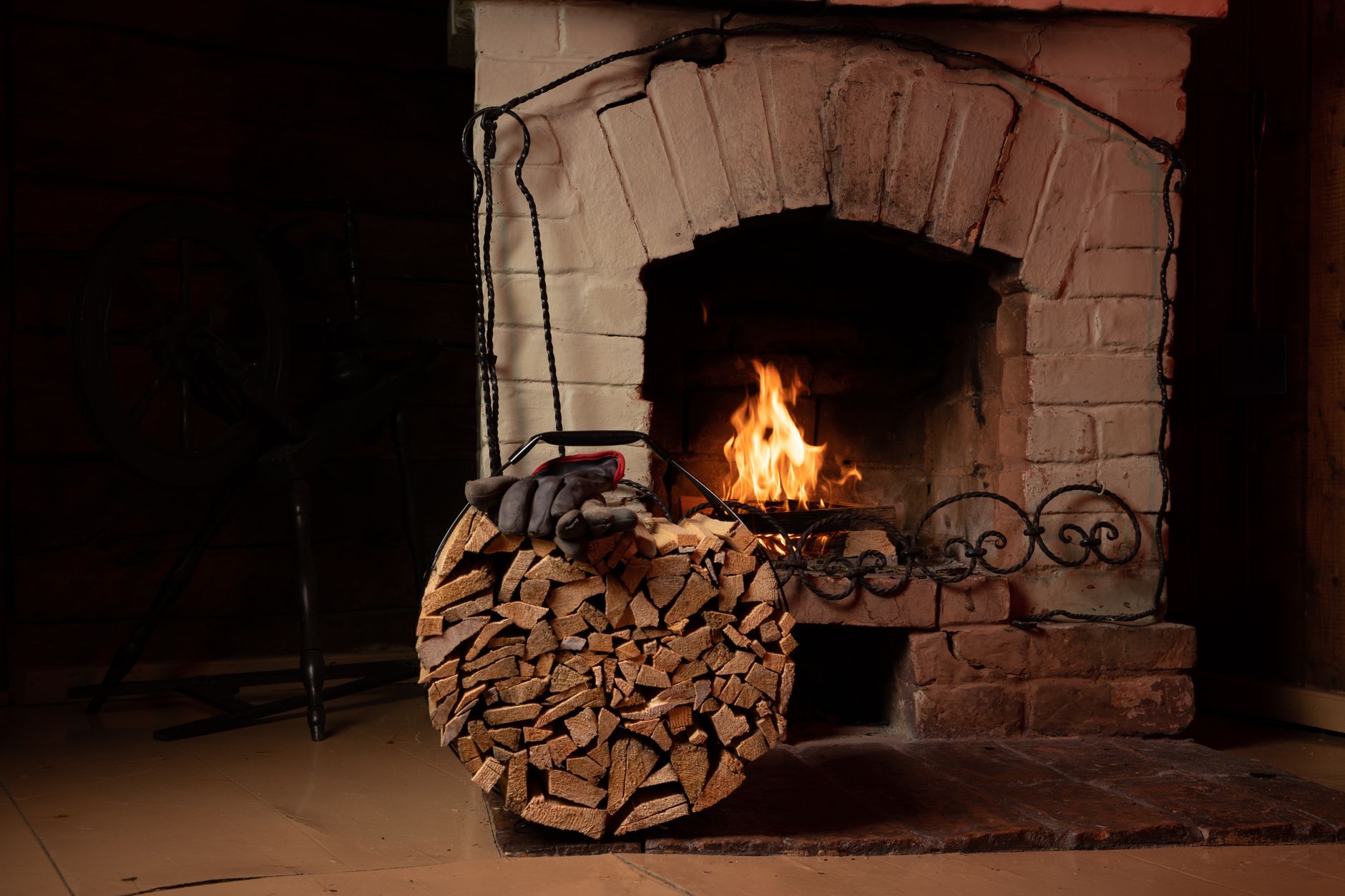
Fireplace Remodel in Covina, Built While the Fire Is Off
When Should This Happen?
Tell us what you burn and the month you have in mind. We call back with open dates and what the visit includes.
The Job, Month by Month
A remodel takes weeks, so starting in spring means the fireplace is ready to use by fall. The unit comes first, because it sets the opening size and the distances to the mantel and trim. We mark those out, keep service panels reachable, install and test the unit, then finish with tile, stone or a new mantel. Quotes are written once the unit and finish are picked.
A Remodel Timeline That Ends Before October
Remodels run smoothest when they follow the year. In March and April, after the last fires, we come out, look at the fireplace and the chimney behind it, and talk through what you want: a new stone or tile face, a deeper hearth, a mantel that sits at the right height, or a change from wood to gas. That first visit includes an inspection of the firebox and flue, because there is no point putting a new face on a fireplace with a cracked firebox or a flue that cannot serve the new fuel. In May and June, you pick the materials and we confirm the scope in writing. The build follows in summer, when the fireplace is not needed and the doors and windows can stand open for dust and drying.
By September the work is finished, cured and tested, with time for any small adjustments before the first cold evening. Starting a remodel in October usually means living with an unfinished room through the holidays, and it pushes any masonry curing into rainy weeks. That is the main reason we start the conversation in spring. Planning early also gives time for the permits a fuel change or a new gas line may need, and for stone or tile with long lead times. If you only want a new mantel or a fresh face on a sound fireplace, the calendar is shorter, but the same rule applies: finish before the fire is wanted, not after. The planning visit includes photos and measurements so you can talk through options with a designer or contractor of your own before you commit.
What Can Change, and What Has to Stay
Most of what you see can change. The face around the opening can be stripped and re-clad in tile, stone, brick or plaster. The hearth can be extended or rebuilt in a new material. The mantel can be replaced, raised or removed. Doors can be added to an open fireplace. The opening can even be narrowed with new firebrick to suit a gas set or an insert. What has to stay is the safety geometry: clearance from the opening to anything that can burn, hearth depth in front of the fire, and a firebox and flue sized for whatever burns in them. Those numbers come from the code and from the listing of any appliance, and we measure against them before anything is ordered. Older San Gabriel Valley homes sometimes have mantels or wood trim that sit well inside the clearance the code now asks for. A remodel is the right moment to fix that, and we show you where the numbers fall on the planning visit.
The quote is written after the planning visit and names each part of the job on its own line: demolition, the firebox work, the new face, the hearth, the mantel and any gas or flue work. Fuel changes sit on their own line too. A gas insert fitted into an existing opening falls in the $2,750 to $5,500 range, and the same written quote shows which end of that range your firebox puts you in. Masonry rebuilding inside the firebox, a new hearth and a new face are each listed with what material is used and how it is finished. Where the remodel touches the chimney itself, such as a new damper, liner or cap, those items sit on their own lines so you can see what is cosmetic and what is part of the venting.
How Bickford Chimney Solutions Plans the Work
Booked for the Right Month
Dry weeks for masonry, early fall for gas units
Room Kept Clean
Drop cloths down and the opening sealed first
Quote on Paper
Repairs priced in writing before anything starts
Findings by Timing
Each item marked now, before winter, or next year
Fireplace Remodel city pages
Each city page lists the houses we see there, the ZIP codes on the route, and the months that suit this job locally.
CA
Fireplace Remodel in Covina
Most houses here are 1950s and 1960s ranch homes, and their brick or block chimneys often hold gas logs today. We book Covina sweeps for September and October, so the flue is clear and the logs are tested before the first cool November evening.
See this townCA
Fireplace Remodel in San Dimas
Owners hold roughly 72 percent of the homes, and the larger Via Verde and foothill houses sit on roomy lots, some kept for horses. The calendar for them is plain: an August or September sweep, then cap and crown before November.
See this townCA
Fireplace Remodel in La Puente
Half the houses here were standing by 1958, and about eight in ten are older than 1980. Tract chimneys from that era are mostly brick or block, so we suggest one inspection each October and a sweep booked before Thanksgiving, ahead of the cold weeks.
See this townCA
Fireplace Remodel in Pomona
Pomona grew from 1880s citrus groves, and nearly one home in five went up before 1950. We split its calendar by type: brick in the old core gets a fall inspection, while factory-built units in Phillips Ranch get a sweep and cap check in late summer.
See this townMore Jobs on the Calendar
Chimney Sweep
Flue brushing timed to your burn season, booked in the quiet months so the chimney is clear before the first cold evening.
Learn More →Chimney Inspection
NFPA 211 Level 1 or Level 2 inspection, scheduled before the season starts so repairs can fit in ahead of regular fires.
Learn More →Chimney Repair
Crown, joint, tile and flashing repairs, quoted in writing and scheduled for dry months when mortar and sealants cure properly.
Learn More →Fireplace Inspection
A room-side check of firebox, damper, hearth, doors and clearances, timed for the weeks before you start lighting fires again.
Learn More →Fireplace Repair
Firebox, damper, door and hearth repairs, booked for the off season so the fireplace is ready before the evenings turn cold.
Learn More →Chimney Level 2 Inspection
A video scan of the full flue and the hidden spaces around it, booked before a sale, after a quake, or before switching fuel.
Learn More →Chimney Cap Installation
A stainless or copper cap with an ember screen, fitted in the dry months so rain and nesting birds stay out all winter.
Learn More →Chimney Flashing Repair
Step and counter flashing repairs where the chimney meets the roof, scheduled before the wet months and traced from the attic first.
Learn More →Chimney Masonry Repair
Repointing, brick replacement and crown work for weathered stacks, planned for warm dry weeks when new mortar cures properly.
Learn More →Chimney Rebuilds
Rebuilding a cracked or leaning stack from sound masonry up, planned months ahead so permits and weather line up.
Learn More →Fireplace Cleaning
Firebox, grate, glass and hearth cleaned before the season, so the first fire burns in a clean, checked fireplace.
Learn More →Gas Fireplace Cleaning
Yearly gas fireplace service in the fall: glass off, burner and pilot cleaned, logs reset and the flame checked before first use.
Learn More →Gas Fireplace Repair
Pilot, valve, igniter and remote faults traced with a meter, ideally booked early in fall before the cold-weather rush.
Learn More →Fireplace Inserts
Gas, wood or electric inserts fitted into an existing firebox, ideally ordered in summer so the unit arrives before winter.
Learn More →Pellet Stove Repair
Pellet stove fault finding and a full vent cleaning, booked before the cold months when stoves run every day.
Learn More →Wood Stove Repair
Gaskets, baffles, firebrick, glass and stovepipe repaired with maker parts during the warm months, ready for heavy winter use.
Learn More →Gas Logs
Ceramic logs on a burner matched to your opening, clamped damper and all, lit and checked before the burning months.
Learn More →Chimney Seismic Retrofit
Bracing, straps or a lighter rebuild for brick chimneys at risk in an earthquake, planned and quoted in the dry season.
Learn More →Chimney Crown Repair
Cracked or crumbling crowns sealed or recast in warm dry weather, before winter rain reaches the brick below.
Learn More →Dryer Vent Cleaning
Lint cleared from the full dryer vent run to the outside hood, a yearly job that fits any month on the calendar.
Learn More →Chimney Liner Installation
Stainless liners sized to the appliance, fitted when old clay tiles crack or a new insert, stove or gas unit goes in.
Learn More →Chimney Leak Repair
Water entering at the crown, flashing, brick or cap traced and fixed, ideally in the dry months before storm season.
Learn More →Chimney Waterproofing
A breathable water repellent on clean, repaired brick, applied in warm dry weather ahead of the winter rains.
Learn More →Chimney Damper Repair
Stuck, rusted or leaky dampers freed, repaired or replaced, so the flue closes in summer and opens freely in winter.
Learn More →Chimney Chase Cover
Rusted or flat chase covers on framed chimneys replaced with stainless, sloped tops, fitted before the rain season.
Learn More →